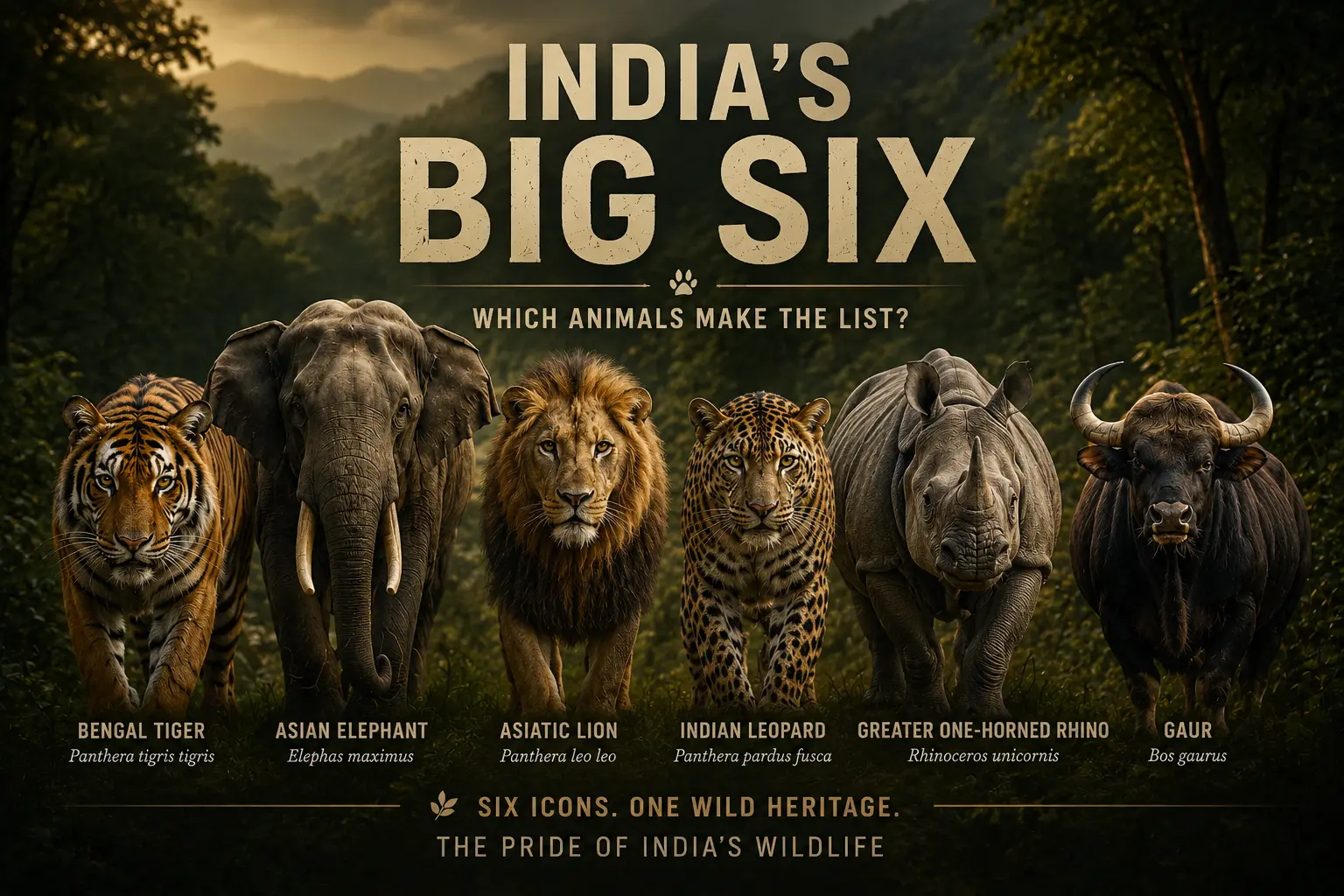



The wild, thick forests of Southern India hold plenty of secrets, but nothing matches the sheer excitement of spotting the dark phantom that slips through the trees of Karnataka. For anyone obsessed with wildlife photography or tracking big cats, one specific name gets the heart racing faster than any other: Kabini. Tucked neatly into the edge of Nagarahole Tiger Reserve, this beautiful patch of jungle has built a huge international reputation that sets it completely apart from every other wildlife park in Asia.
While India has dozens of famous parks where you can go look for tigers, Kabini holds a legendary, almost mythical status. The main reason everyone wants to visit is the presence of an incredibly rare melanistic big cat. This particular forest offers you some of the highest statistical chances in the world for regular, real-life black panther sightings in kabini.
A Landscape Perfectly Built for Shadows
To understand how this jungle became the stomping ground for a living legend, you have to look at how the actual terrain is laid out. Kabini isn’t just a standard patch of trees. It is a highly unique ecosystem where the dry, open woods of Nagarahole smash right into the massive backwaters of the Kabini River.
The environment changes completely depending on the time of year. When the scorching summer heat kicks in, the river shrinks back, forcing herds of elephants, massive gaurs, and thousands of deer to crowd together along the muddy banks. This huge pileup of prey creates a non-stop buffet for apex predators.
While the heavy tigers usually stick to the flat ground and open meadows, leopards take full advantage of the giant teak, rosewood, and terminalia trees that fill the area. The high canopy provides the perfect climbing playground for these agile felines, setting up the exact environment needed for the black panther kabini phenomenon to thrive in the wild.
The Genetic Fluke Behind the Jet-Black Fur
When people talk about a black panther, they often think it is an entirely new, separate species of animal. In reality, a black panther is just a standard leopard (Panthera pardus) born with a unique genetic mutation called melanism.
This condition comes from a recessive gene that causes the animal’s body to produce way too much melanin, which is the dark pigment in skin and fur. If you get lucky enough to see a black leopard kabini under the bright, direct glare of the midday sun, you will see that his coat isn’t just flat, plain black. Hidden just beneath that dark surface is a beautiful pattern of regular leopard spots, or rosettes, swirling all across his skin.
In almost every other jungle on earth, these black cats live deep inside ultra-dense, wet tropical rainforests, like the ones in Assam or Malaysia. In those dark, rain-soaked places, a black coat works like perfect camouflage, letting the cat melt into the heavy shadows. What makes the black panther in kabini a complete scientific wonder is that he chose a dry, open deciduous forest for his home. Here, the trees drop all their leaves in the summer, which means his dark silhouette stands out like a sore thumb against the bright, dusty brown dirt.
The Story of Saya: The Cat That Changed Everything
You cannot talk about the history of the kabini black panther without mentioning the specific animal that triggered the global obsession: a bold male leopard named Saya. First spotted wandering around the edge of the tourist tracks back around 2014 or 2015 as a young cat looking for territory, Saya completely flipped the script on Indian wildlife tourism.
Before Saya came along, catching a glimpse of a melanistic cat in the wild was viewed as a nearly impossible, once-in-a-lifetime miracle. These leopards are usually terrified of vehicles, ghostly quiet, and stick strictly to the hidden core zones where humans aren’t allowed.
But Saya had a remarkably confident, fearless personality. Instead of bolting into the thick brush the second he heard a jeep engine, he would just sit completely still on a high tree branch, staring right into the camera lenses of shocked tourists.
His fame exploded across the globe when local naturalists and international filmmakers spent years tracking his daily routine. They captured his life story on film, showing his fierce territory battles with normal spotted alpha males and his fascinating partnership with a regular spotted female leopard named Cleopatra. This real-world jungle drama hooked millions of viewers, turning the black panther kabini forest into a dream destination for wildlife lovers everywhere.
Head out into the Brush: The Safari Routine
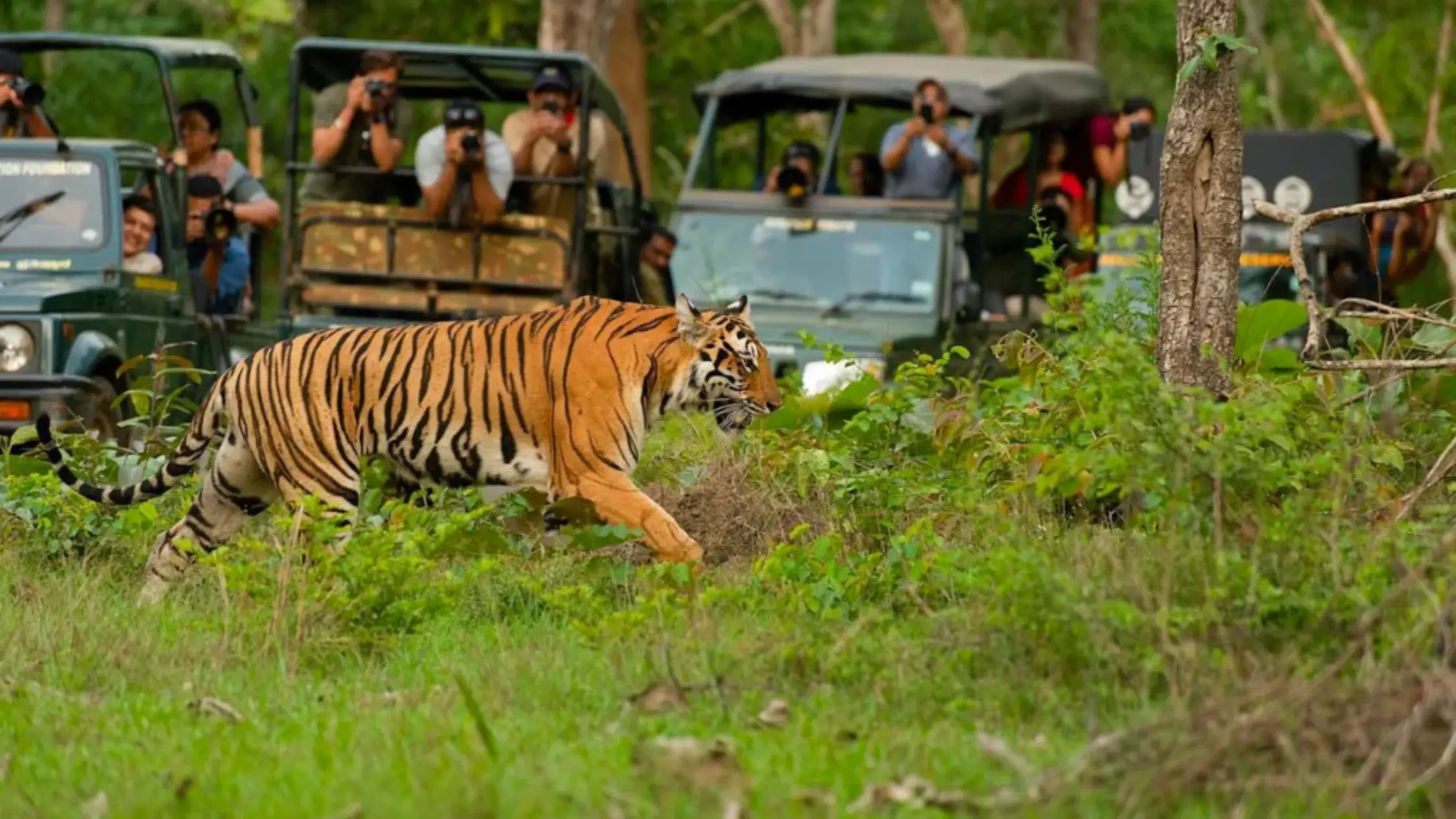
If you want a shot at seeing this incredible ghost with your own eyes, you have to head out into the reserve on an official kabini black panther safari. The local forest department runs these drives twice a day, splitting the main tourist area into two distinct regions: Zone A and Zone B.
The safaris use open-topped 4×4 jeeps or larger custom trucks called canters. As you drive along the bumpy dirt tracks, your local guide and driver don’t just wander around aimlessly hoping to bump into a cat. Finding the black panther in kabini forest is an art that requires listening closely to the warning signals of the jungle.
The guides keep their ears glued to the sharp, panicked alarm calls of spotted deer and langur monkeys sitting up in the trees. The second a big cat steps out into the open, the monkeys sound a loud, coughing alarm that tells the whole forest a killer is on the loose. Following these real-time sound maps through the woods is exactly how safari jeeps end up parked right in front of those jaw-dropping moments where a dark shadow walks out from the green leaves.
The Best Months for a Sighting
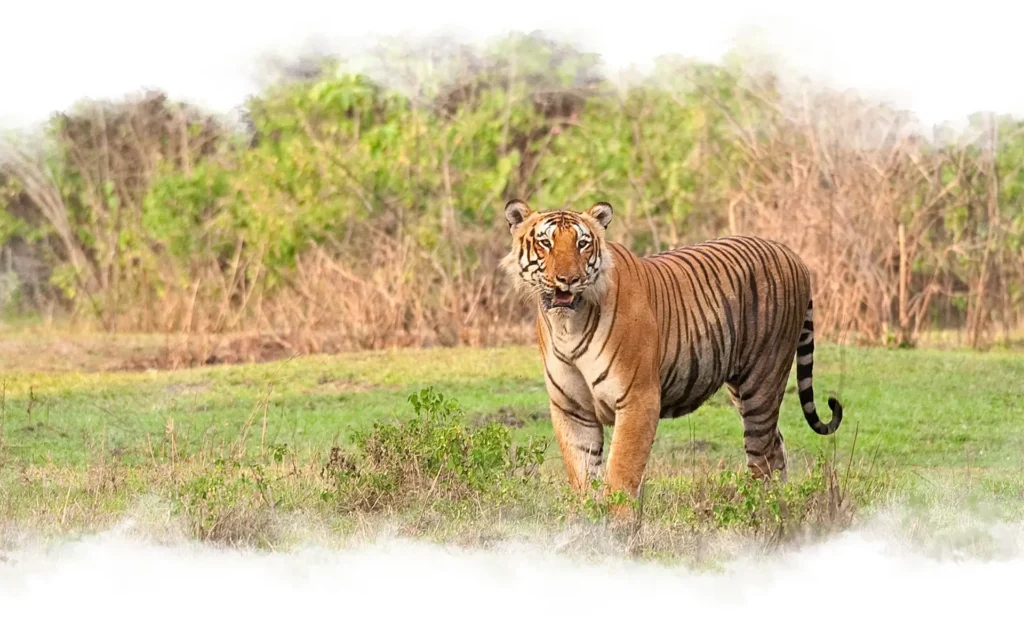
While the park is gorgeous and packed with life all year round, your actual chances of locking down successful black panther sightings in kabini change quite a bit depending on when you travel.
The Scorching Summer (March to May)
If your primary goal is tracking down big cats, the dry summer months are hands-down the best time to book your trip. As the intense heat dries up all the small water holes hidden deep in the bush, the forest loses its thick green leaves. This makes it infinitely easier to see deep through the trees. Because water is hard to find, leopards have to travel down to the main river banks or known water holes much more often, making them way easier to spot from the safari tracks.
The Green Monsoon and Winter (June to February)
When the heavy monsoon rains hit the region, the whole kabini forest black panther habitat turns into a lush, glowing green paradise. The jungle looks incredibly beautiful, but the thick bushes and heavy leaves make spotting a dark, camouflaged cat a massive challenge. The winter months bring crisp, beautiful weather and great birdwatching, but you will need a massive amount of patience and a highly skilled tracker to find a leopard sleeping in the thick winter canopy.
Why Stay at Waterwoods?
Chasing the legend of the dark phantom means you will need a quiet, comfortable place to rest your head between those long, dusty jungle drives. Located right on the banks of the peaceful river, Waterwoods gives you an incredible luxury eco-lodge experience that puts you face-to-face with the true spirit of the wild.
Our property offers beautiful views of the water where you can frequently watch wild elephant herds grazing on the opposite bank. After an exciting morning tracking alarms through the brush, you can head back to our shady decks to eat great local food, chat with other travelers, or just enjoy the sounds of the river. Our team helps you sort out your safari bookings with the best local naturalists who know every single twist of the tracks, ensuring your journey into the home of the black panther is easy, comfortable, and something you will talk about for the rest of your life.
Frequently Asked Questions
Can you see a black panther in Kabini throughout the year?
The park stays open for safaris almost all year, but your actual sighting success shifts wildly with the weather. During the lush monsoon months, the brush grows incredibly thick, making it nearly impossible to spot a dark animal. You can technically find him any month, but you will need a massive dose of pure jungle luck during the rainy season.
Why is Kabini famous for black panther sightings?
Unlike other deep, wet tropical rainforests where black leopards usually hide, Kabini is an open, dry forest. This unique terrain forces the resident melanistic cat, Saya, to hunt in areas where his dark coat stands out beautifully against the brown dirt. His unusually bold personality also means he routinely rests on open branches instead of running away from safari jeeps.
Which safari zone in Kabini has the highest chance of black panther sightings?
The forest department splits the main tourist routes into Zone A and Zone B, and both territories witness cat movement. However, Zone A features the specific thick teak trees and old forest tracks that cover the heart of the black panther’s favorite hunting grounds. Booking multiple drives that cross into this specific side of the reserve gives you the best mathematical edge.
Why do wildlife photographers visit Kabini for black panther photography?
Photographers flock here because it is one of the only places on Earth where you can shoot high-resolution frames of a black leopard in gorgeous, open sunlight. The contrast of his deep ebony fur against the bright green foliage or golden summer grass creates completely breathtaking, artistic images. The reliable tracking skills of the local safari drivers also mean you can actually predict his favorite resting spots.
How can visitors improve their chances of spotting a black panther during a Kabini safari?
The absolute best strategy is to book at least three to four consecutive jeep safaris during the dry summer months. You also need to keep your ears completely locked onto the frantic monkey and deer alarm calls instead of just looking around blindly. Relying on a highly experienced local naturalist who knows the cat’s daily routine will instantly double your chances.
What wildlife can be seen along with the black panther in Kabini Forest?
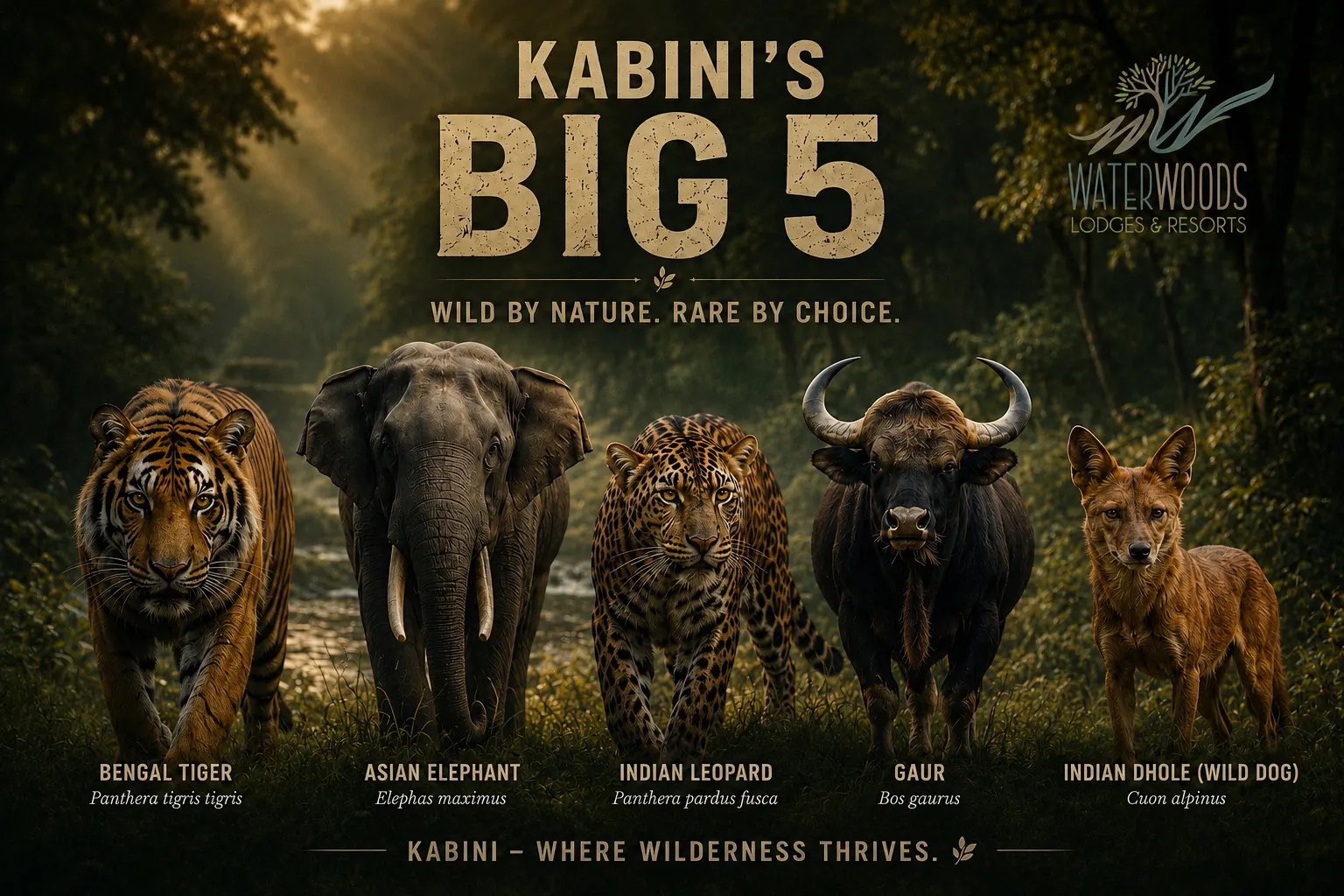
While you are scanning the high branches for the phantom, you will share the tracks with massive herds of Asian elephants and Indian gaurs. The reserve supports a booming population of standard spotted leopards, dominant Bengal tigers, and packs of whistling wild dogs. The skies and riverbanks are also packed with over three hundred species of rare tropical birds and mugger crocodiles.
Why is the Kabini black panther often called the "Ghost of the Forest"?
He earned this haunting nickname because of his uncanny ability to vanish into thin air the second he steps off the dirt tracks. His rich melanistic coat allows him to melt perfectly into the deep shadows of the high forest canopy within seconds. Safari tracking teams can hear the monkeys screaming directly above him, yet human eyes still struggle to locate his dark outline in the brush.
Which season offers the best visibility for spotting a black leopard in Kabini?
The peak dry summer season running from March to May offers the absolute best visibility of the whole year. The blazing heat completely dries up the thick undergrowth bushes and forces the trees to drop their leaves, leaving the forest floor totally exposed. Because water gets incredibly scarce, the big cats are forced to walk out into the open riverbanks to drink.