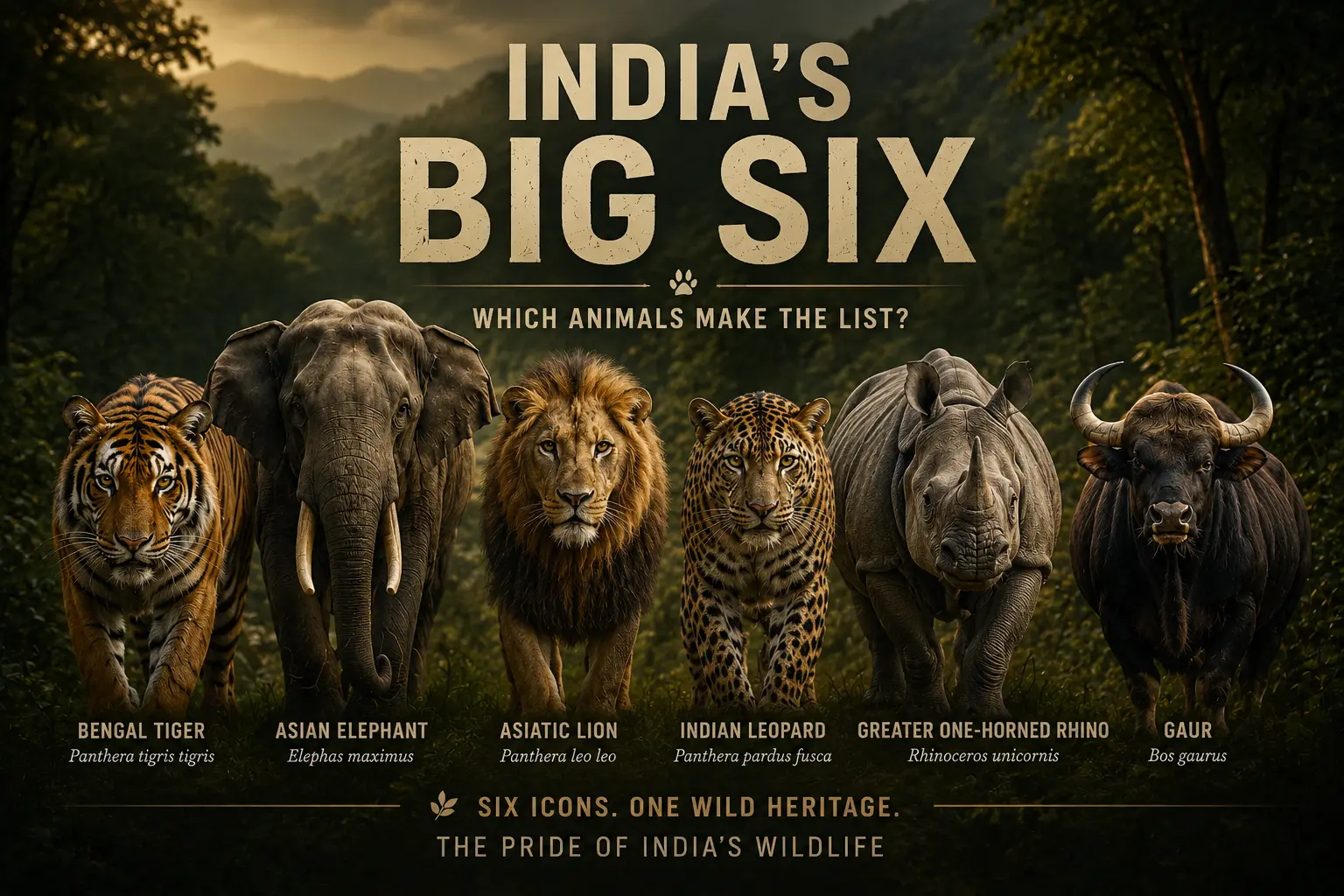


There are forests in India you visit once and forget. Then there is Kabini the kind of place that follows you home, stays lodged somewhere behind your eyes, and keeps pulling you back. Photographers who come here for the first time often say the same thing: they had no idea a forest could be this giving. Every drive feels loaded. Every hour of light feels like an opportunity. And somewhere out there, moving through teak and rosewood like a living shadow, is the reason so many lenses have pointed at this patch of Karnataka with quiet reverence.
Kabini is not just a forest. It is a photographer’s argument a living, breathing case for why wildlife photography safari in India deserves its own category, separate from anything you could experience anywhere else on earth.
What Makes Kabini Different from Other Reserves
The kabini forest reserve sits on the southern edge of Nagarhole Tiger Reserve, which is part of the larger Nilgiri Biosphere one of the most biodiverse ecosystems in Asia. What separates Kabini from other parks in India is not just what lives here, but how often you get to see it.
In most reserves, big cats vanish the second they hear a vehicle. In Kabini, something different happened over the years. The resident leopards, tigers, and their cubs grew up alongside safari jeeps.
The Kabini River runs along the southern border of the reserve. During summer, when temperatures climb and the smaller water sources dry out, every animal in the area is drawn to the banks. Elephants arrive in enormous herds. Gaur stand knee-deep at the edge. Crocodiles settle into the mud. Otters move in families through the shallows.
The Stars of the Forest
Tigers
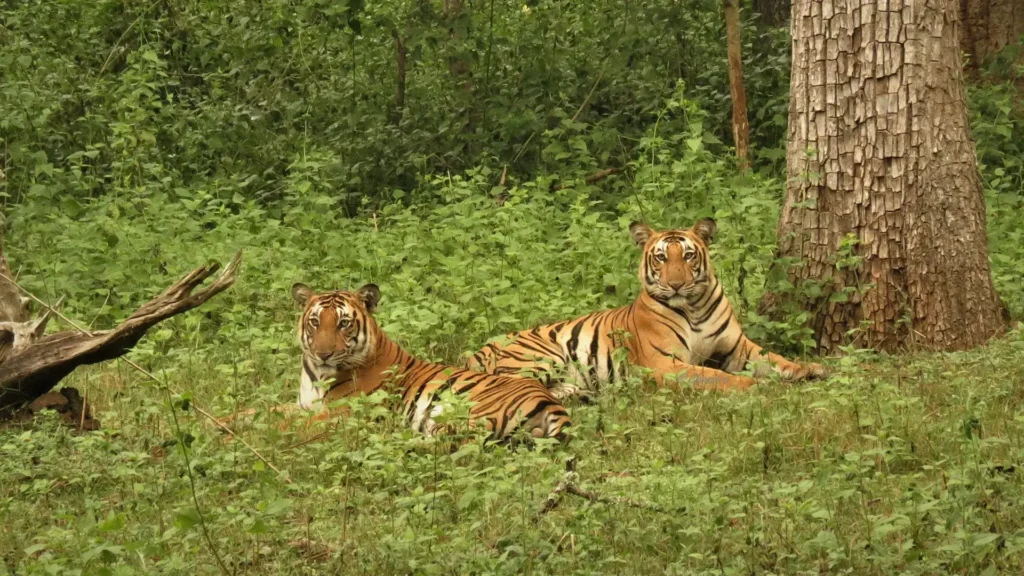
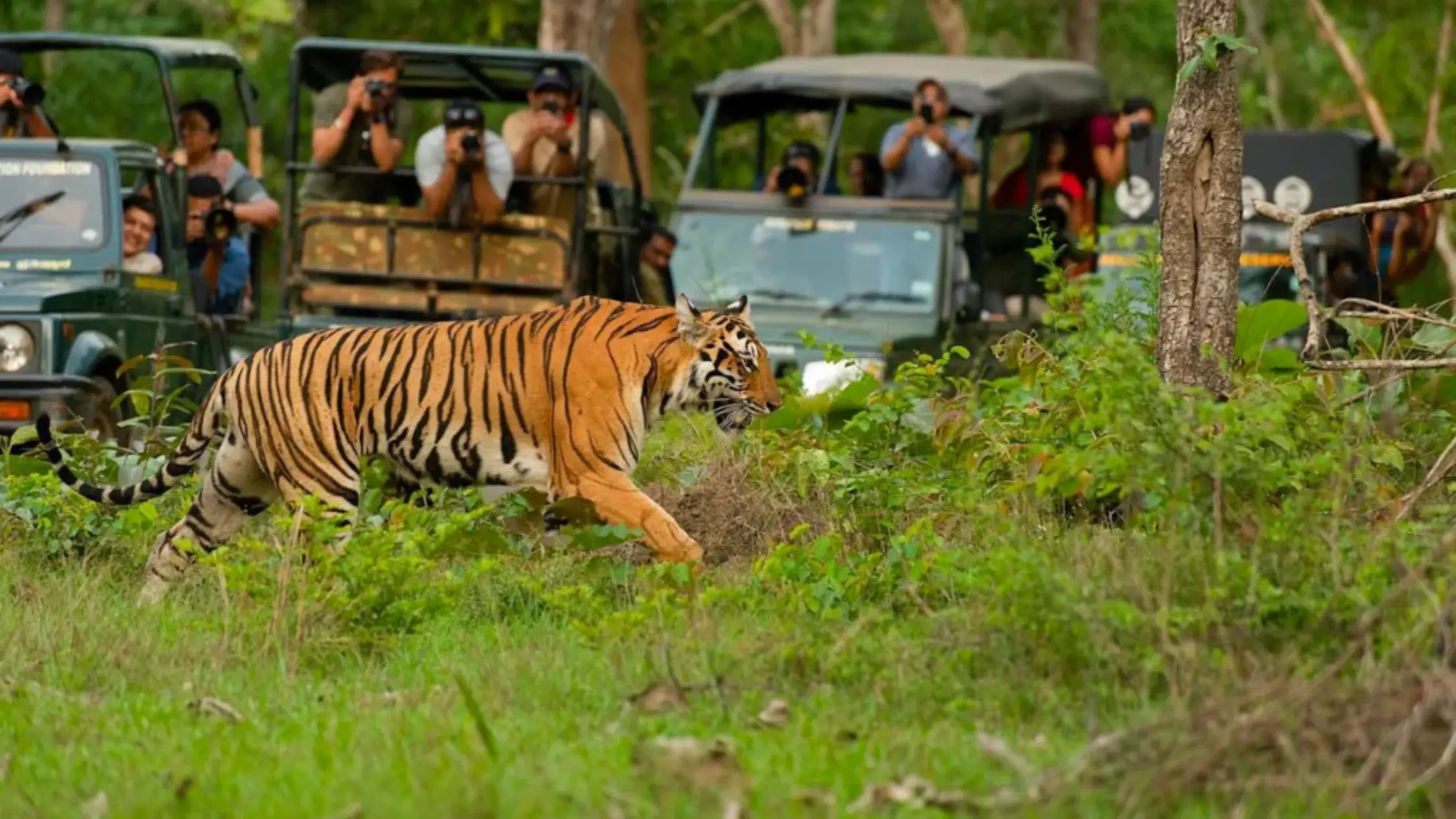
Kabini’s tiger population is well-documented and spread across identifiable family lines. The Backwater family, the Tiger Tank tigers, the Temple family these are animals with names and histories, tracked across seasons by naturalists who know their paw prints and prefer routes.
A kabini wildlife safari aimed at tigers is best done during the dry months, when the tall grass thins and the light breaks through without obstruction. Seeing a Bengal tiger walk a forest road in early morning light, steam rising from the ground, is the kind of moment that makes photographers understand why they chose this field. For those chasing tiger photography tours in India offers nowhere quite like Kabini for sheer consistency of access.
Leopards
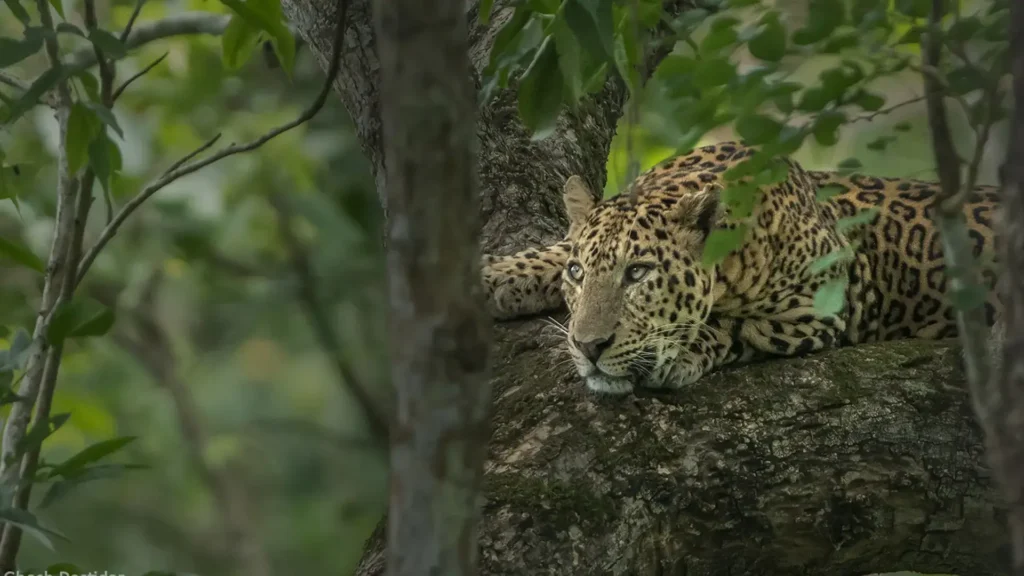
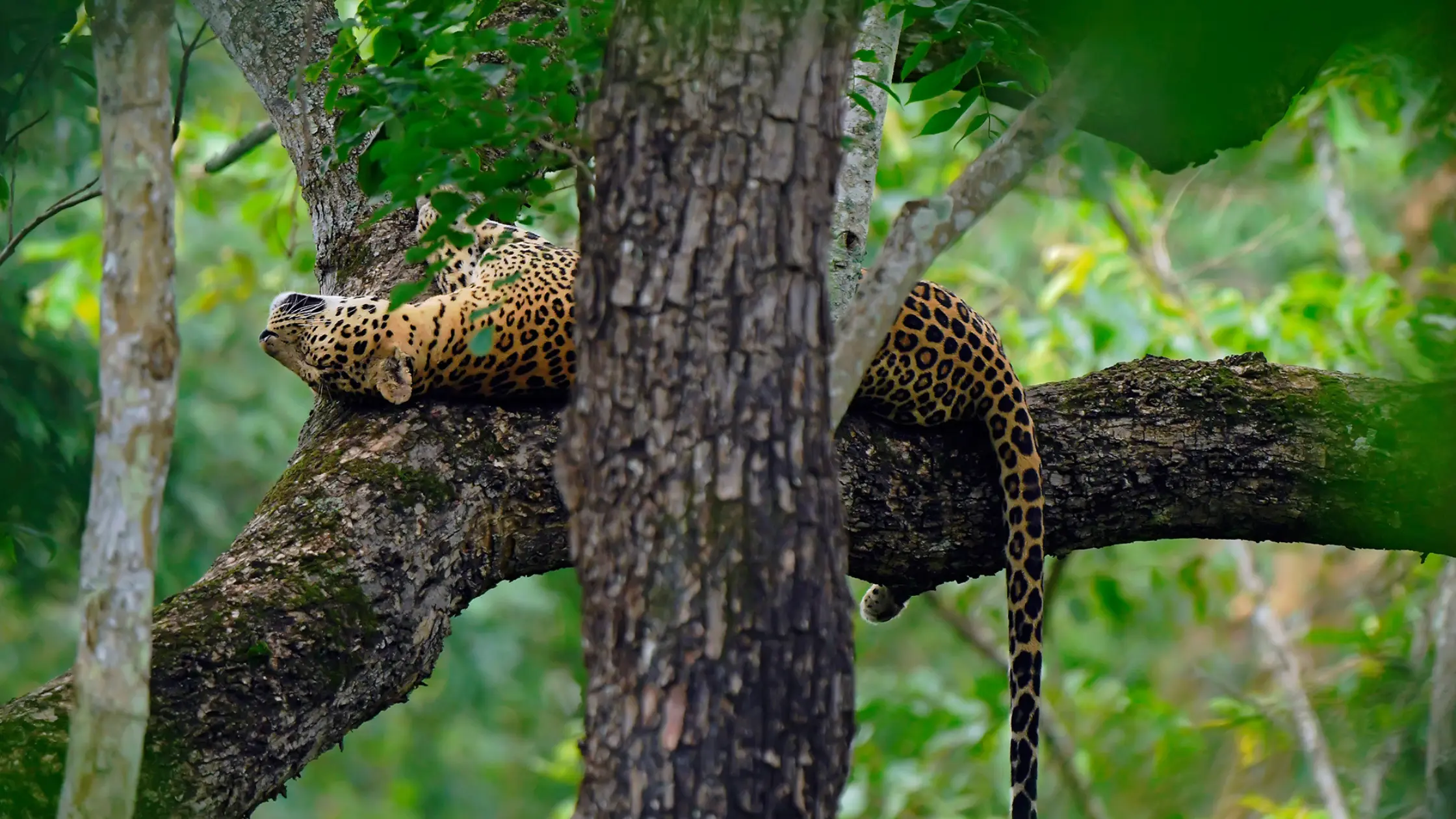
Ask any serious wildlife photographer which Indian reserve gives the best leopard sightings, and the answer is almost always Kabini. Some two dozen leopards in the reserve have become remarkably vehicle-tolerant over the years. Named individuals like Scarface, Cleopatra, Monk, and Torn Ears have become legends in the community recognised by their markings, known by their territories, photographed across thousands of frames by visitors from around the world.
The classic kabini wildlife photography shot a spotted leopard draped across a high branch, staring down into a 500mm lens in golden hour light has filled portfolios and gallery walls globally. That shot is not a rare stroke of luck here. With the right naturalist and enough drives, it is almost expected.
The Black Panther
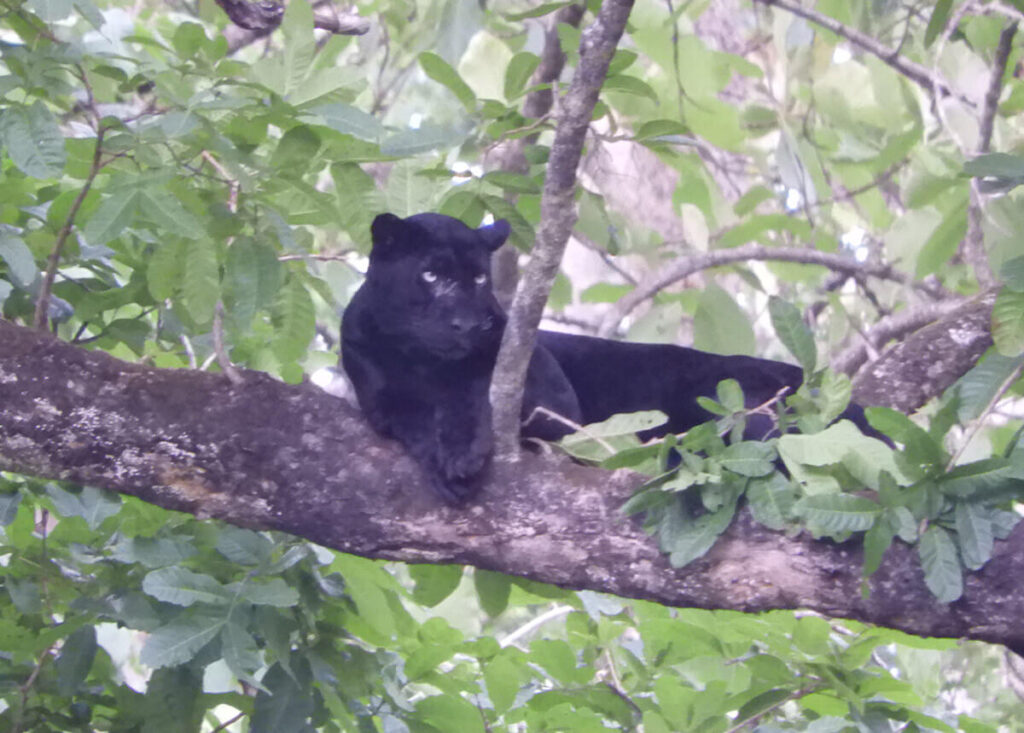
Nothing in Kabini’s story has captured global attention quite like the presence of resident melanistic leopards what most people call the black panther in kabini forest. A black panther is not a separate species. It is a leopard carrying a recessive gene called melanism, which causes an overproduction of pigment in the fur. In bright sunlight, you can still see the rosette pattern underneath that seemingly solid coat.
What makes black panther photography in kabini so extraordinary is the setting. Black leopards are typically found in dense tropical rainforests places like Assam or Borneo where their dark coats dissolve into shadow. Kabini is a dry deciduous forest. When the trees drop their leaves in summer, the dark silhouette of a melanistic cat becomes visible against pale dust and open ground in a way that simply does not happen anywhere else. The contrast is photographic gold.
The Boat Safari: A Different Lens on the Forest
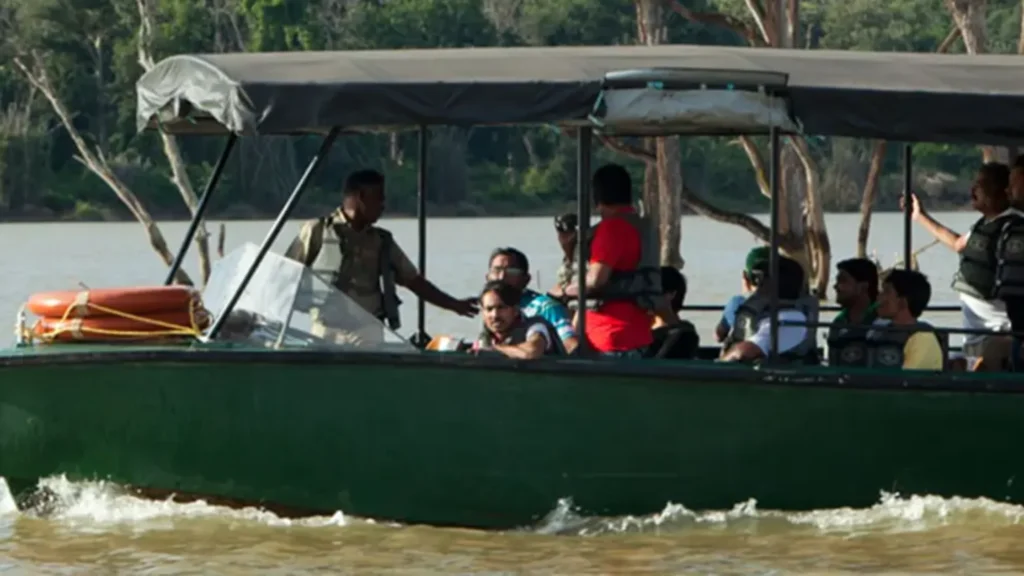
Most wildlife reserves offer only jeep safaris. Kabini offers something additional a boat safari on the backwaters of the Kabini River. This changes everything about how you see and photograph the forest.
From the water, you get eye-level angles on crocodiles that are otherwise photographed from a downward position on land. You approach elephant herds as they walk into the river to drink, bathe, and play calves splashing around while the matriarchs keep watch. The reflections in the still water create compositions that no jeep track could offer.
For bird photographers, the boat safari is essential. The waterline in Kabini holds species like the Indian Roller, the Pied Kingfisher, White-bellied Sea Eagle, and the Greater Flameback woodpecker. The Malabar Pied Hornbill is regularly spotted from the water. Over 300 bird species have been recorded in the kabini forest reserve, making it a serious destination for avian photography as well as mammal work.
When to Visit
Kabini stays open for photography throughout the year, but the experience changes dramatically with the season.
- October to February brings crisp, cool air, green understorey after the monsoon rains, and excellent birding conditions. The forest is lush and visually rich, though spotting cats through thick foliage takes patience.
- March to May is the prime window for big cat and elephant photography. The trees shed their leaves, the undergrowth thins, visibility extends deep into the forest, and every water source becomes a gathering point for animals. Summer morning safaris in Kabini when the light is soft and the dust hasn’t yet risen are the moments that fill the trophy shots in most photographers’ portfolios.
- June to September sees heavy rainfall and a dense green transformation. The photography is atmospheric and beautiful in a different way, but tracking cats is harder. Boat safaris during the monsoon, however, produce some of the most dramatic landscape and elephant shots possible.
Where to Stay: Getting Close to the Forest
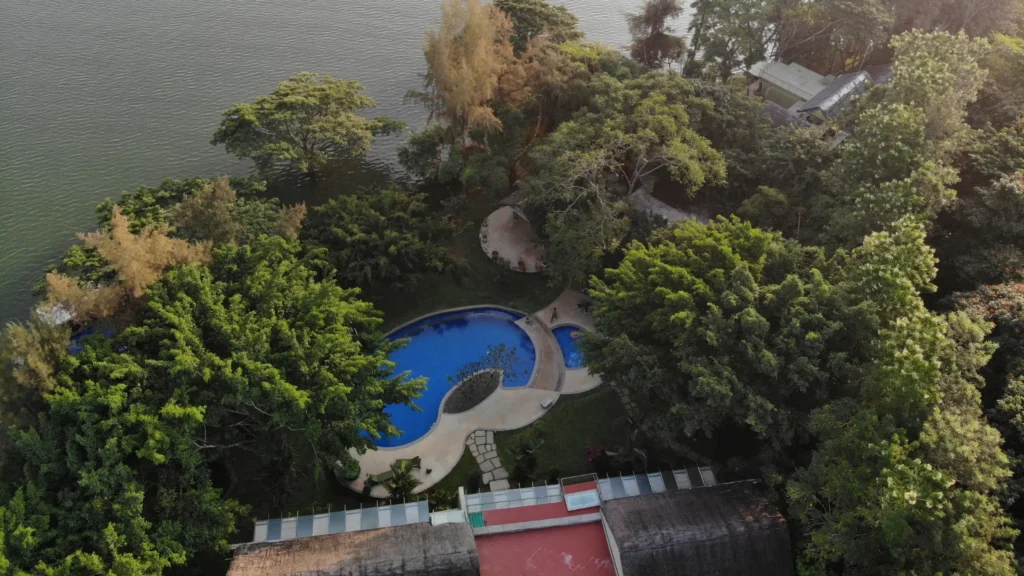
When the safaris end and the camera batteries need charging, where you stay matters. The best resorts for wildlife photographers in kabini share a few qualities: proximity to the forest entry point, knowledgeable in-house naturalists, the ability to organise early morning drives without hassle, and a quiet environment where you can review the day’s shots and plan for the next.
Waterwoods sits right on the banks of the Kabini River. Wake up to the sound of the water and elephants grazing on the opposite bank. The location gives you that rare combination of natural immersion and genuine comfort a base that puts the forest within reach the moment the gate opens, without compromising on the quality of rest between drives. For photographers who want to maximise their time in the field rather than managing logistics from a distant property, being this close to the reserve makes a real practical difference.
The in-house team at Waterwoods understands what photographers need not just a bed and a breakfast, but a well-timed driver, a packed bag, and a quiet morning start. The organic farm, the riverside views, and the slow evenings between drives make Kabini wildlife photography feel less like a rushed wildlife trip and more like a sustained engagement with a living place.
Final Take
Kabini earns its reputation honestly. It is not a forest that performs for tourists. It is a forest that lives on its own terms and wildlife photographers who spend real time here understand that distinction. The animals are wild. The sightings are earned. The light is real. And the moments, when they arrive, are the kind that justify every early alarm and every long hour behind a lens.
Whether you come for tiger photography tours in India doesn’t offer elsewhere, for the legendary pursuit of black panther photography in kabini, or simply for the extraordinary density of wildlife that the kabini forest reserve holds this place has a way of redefining what you think a wildlife photograph can look like.
Come once. You’ll understand why people keep coming back.
Frequently Asked Questions
Is Kabini good for wildlife photography?
Kabini is widely considered one of the best wildlife photography destinations in India, and for good reason. The resident big cats tigers, leopards, and melanistic leopards have grown habituated to safari vehicles over the years, which means sightings are far more sustained and photogenic than in most other reserves.
What animals can you photograph in Kabini?
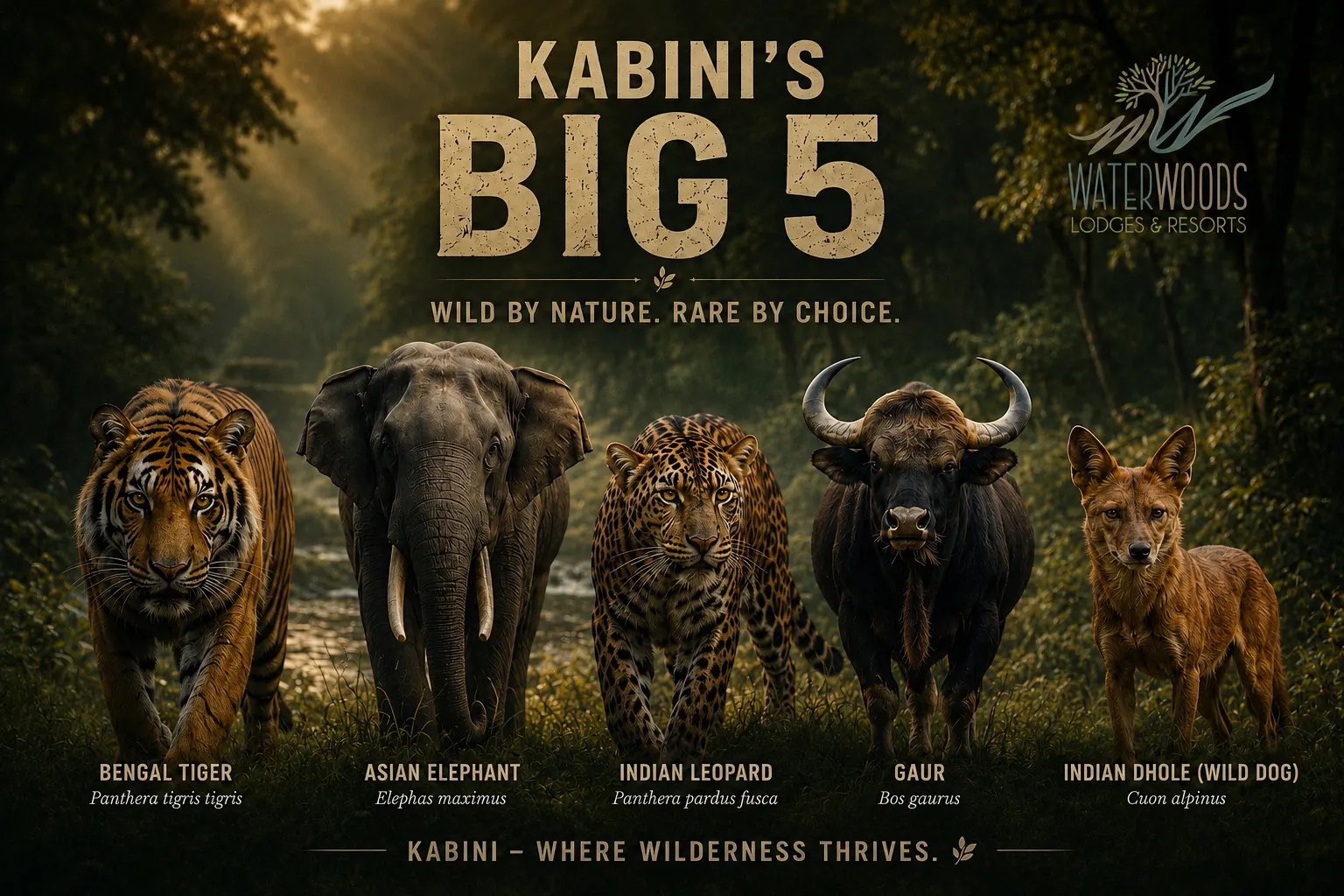
A kabini wildlife safari can put you in front of Bengal tigers, spotted leopards, melanistic leopards (black panthers), Asian elephants in large herds, Indian gaur, sambar deer, spotted deer, sloth bears, wild dogs (dholes), mugger crocodiles, smooth-coated otters, and an enormous variety of birds including the Malabar Pied Hornbill, Indian Roller, and White-bellied Sea Eagle.
What is the best time to visit Kabini for photography?
March to May is the most productive season for kabini safari photography. The deciduous trees shed their leaves, visibility into the forest increases dramatically. October to February is excellent for birdwatching and for atmospheric green forest photography. The monsoon months offer stunning landscape work but make tracking cats considerably harder.
How many days are enough for wildlife photography in Kabini?
Most serious photographers plan for a minimum of three nights and four days, which allows for six safari drives three morning sessions and three evening sessions. Given that sightings depend on animal movement and a degree of luck, more days increase your odds significantly.
What camera gear should I carry for a Kabini safari?
A telephoto lens in the 400mm to 600mm range is the core tool for kabini wildlife photography it gives you reach for cats at distance and enough compression for clean backgrounds. A 70-200mm is useful for elephant herds at close range and boat safari work. Carry a second camera body to avoid missed moments during lens changes.
Can you photograph black panthers in Kabini?
Yes, and Kabini is arguably the best place in the world to attempt it. The kabini forest reserve is home to a resident population of melanistic leopards whose relative boldness unusual for this reclusive cat has made sustained photography possible. The dry deciduous forest setting creates strong visual contrast between the dark coat and the surrounding landscape, a combination almost unique to this location.
Are morning or evening safaris better for wildlife photography in Kabini?
Morning safaris have a consistent edge for photography. The light in the first hour after sunrise in Kabini is low, warm, and directional ideal for big cat portraits. Evening drives produce beautiful silhouette and golden-hour light, but the shorter window before darkness limits the shooting time. If you can only pick one session, the morning drive wins.
What are the best resorts for wildlife photographers in Kabini?
The best resorts for wildlife photographers in kabini sit close to the forest entry points, offer experienced naturalists, and can arrange early morning departures without the friction of distance. Waterwoods, located directly on the Kabini River banks, gives photographers immediate access to the natural environment with views of wildlife right from the property.